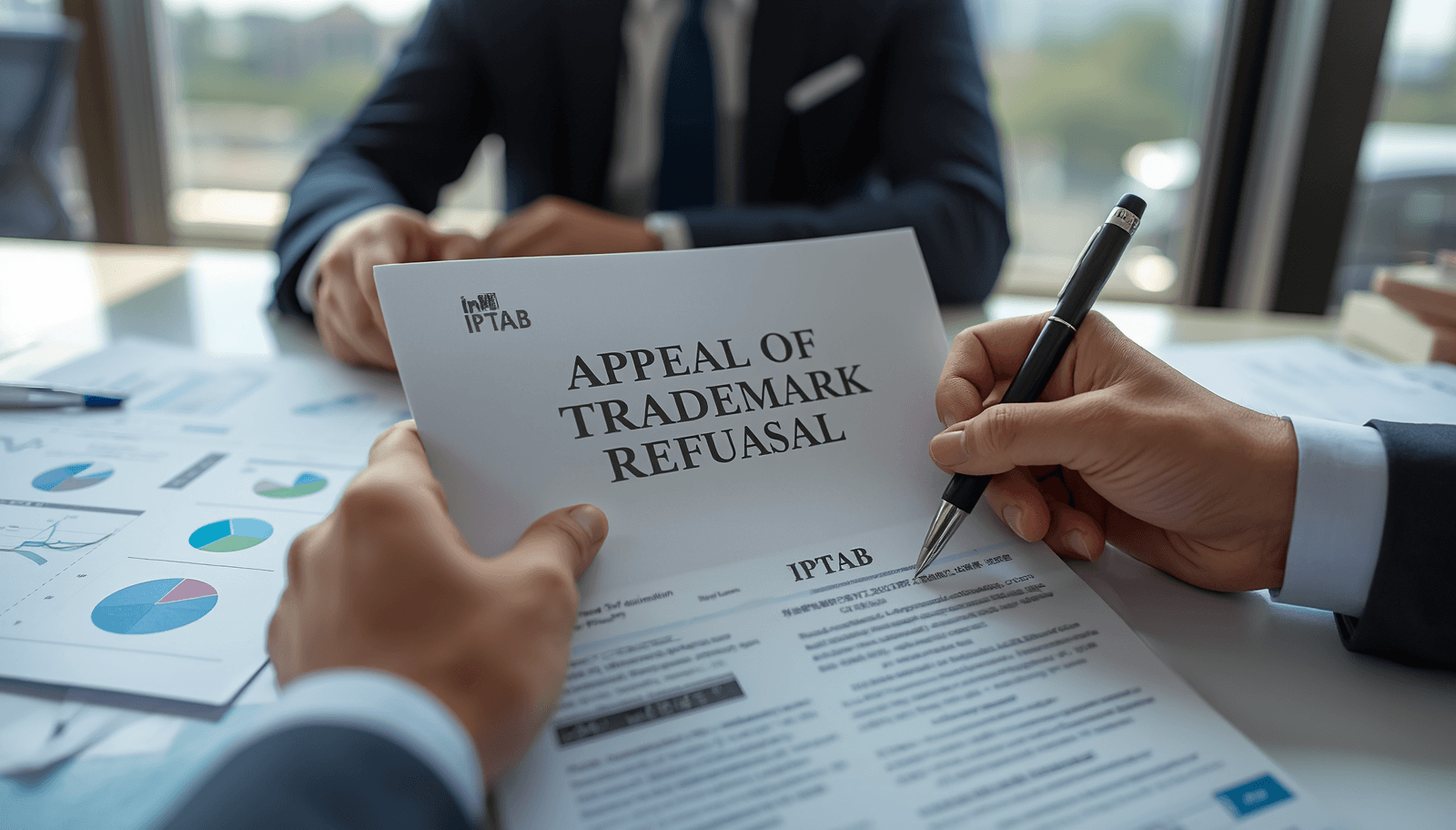
Receiving a "Notice of Final Refusal" from the Ministry of Intellectual Property(MOIP), which is formerly known as 'Korea Intellectual Property Office (KIPO)' can be a significant setback for any global brand. However, under the Korean Trademark Act, a final refusal is not necessarily the end of the line. The Korean legal system provides structured administrative pathways that allow applicants to challenge a rejection if they believe the examiner’s decision was based on a misunderstanding of facts or law.
If your trademark application has been finally refused in South Korea, here is an overview of the legal remedies and procedural options available to brand owners.
1. Understanding the Final Refusal
A final refusal is issued by KIPO when the examiner determines that an application does not meet the requirements for registration (e.g., lack of distinctiveness, similarity to a pre-existing mark, or improper classification). Once this notice is received, the applicant has a statutory window of three months to initiate a formal response or appeal.
Missing this strict deadline generally results in the permanent abandonment of the application.
2. Two Primary Avenues for Redress
Depending on the nature of the refusal, there are two standard administrative pathways. These processes are mutually exclusive, meaning an applicant must choose the strategy that best fits their specific situation.
| Feature | Request for Re-examination | Appeal to IPTAB |
|---|---|---|
| Primary Goal | Amend and seek new review by examiner | Appeal the examiner’s decision to a tribunal |
| Decision Authority | Original KIPO Examiner | Intellectual Property Tribunal (3 judges) |
| Key Advantage | Faster, cost-efficient; allows amendments | Rigorous review; suitable for legal disputes |
| Limitation | Only one attempt allowed | More complex, formal, and time-intensive |
Request for Re-examination
This pathway is most effective when the grounds for refusal can be cured by simple administrative changes, such as narrowing the scope of designated goods or services. Filing a request for re-examination (along with an amendment) effectively revokes the original final refusal and triggers a new review by the examiner.
Appeal to the Intellectual Property Trial and Appeal Board (IPTAB)
If the refusal is based on substantive legal issues—such as a disagreement over the similarity of marks or the distinctiveness of the brand—an appeal to the IPTAB is the standard route. A panel of three judges will review the case, offering a more formal judicial atmosphere than the initial examination.
3. Strategic Enforcement and Preparation
Successfully overcoming a final refusal requires more than just a formal filing; it requires a proactive strategy.
- Evidence Submission: When arguing against a refusal, brand owners often submit "acquired distinctiveness" evidence. This includes sales data, long-term use records, and marketing investment reports to prove that the mark has become recognizable to Korean consumers.
- Amendment Strategy: In many cases, simply deleting contentious items from the list of designated goods can clear the path to registration.
- Professional Coordination: Because the Korean Trademark Act involves strict procedural requirements, international brands typically appoint a local patent attorney. A local professional is essential for navigating the IPTAB process, drafting arguments in Korean language, and ensuring all filings meet the legal standards of the Korean judiciary.
4. Summary of Procedural Steps
- Notice Receipt: Review the date of receipt to calculate the 3-month statutory deadline.
- Strategy Selection: Consult with a licensed professional to determine if a re-examination request or a formal IPTAB appeal is more appropriate based on the grounds for refusal.
- Formal Filing: Submit the necessary documentation, including any amendments, arguments, or supporting evidence, before the deadline.
- Monitoring: Await the new decision or the scheduling of oral hearings by the tribunal.
By understanding these administrative remedies, brand owners can make informed decisions to protect their intellectual property rights even after an initial rejection.
⚠️ Legal Disclaimer: The information provided on this blog is for informational and educational purposes only and does not constitute formal legal advice. No attorney-client relationship is formed by reading this post. For specific legal issues, casework, or representation, please consult with a licensed patent attorney (Byunrisa) or legal professional in South Korea.


